
If you have ever lived in Italy as a foreigner, you may know the feeling. You want to bake the cookies your grandmother used to make, and suddenly you realize there is no bottle of vanilla extract in the supermarket. Instead, you find small sachets of vanillina powder, little glass tubes holding one or two vanilla pods, and perhaps a tiny bottle of aroma that smells a bit too sweet. Vanilla bean in Italy is easy to love but surprisingly hard to buy in the forms many Americans or French bakers expect.
That gap is exactly what makes Italy interesting from a business point of view. The country has one of the strongest pastry and gelato cultures in the world, yet much of its everyday baking still relies on synthetic vanillin. As more Italian consumers and professional kitchens look for real ingredients, demand for genuine vanilla beans, paste, and extract keeps growing. In this article, we look at how vanilla is used in Italy, how to choose good beans there, how to make your own extract, and where the real business opportunities are. For another European perspective, our overview of the vanilla bean market in the UK shows how a different baking culture uses vanilla.
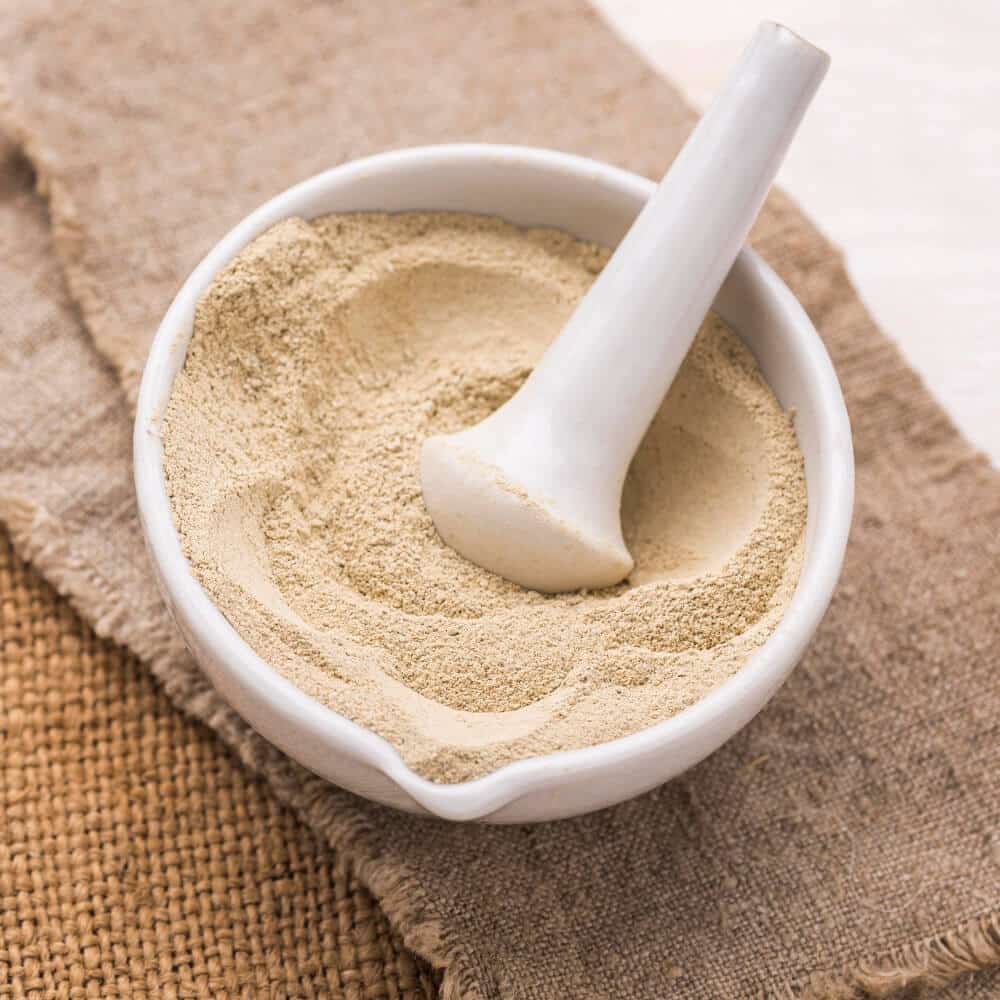
How Italians Use Vanilla
Vanilla has a quiet but important place in Italian sweets. Crema pasticcera, the classic pastry cream used in bomboloni, cornetti, and fruit tarts, is traditionally flavored with lemon zest, vanilla, or both. Panna cotta often gets its delicate aroma from a split vanilla pod simmered in the cream. Gelato makers use vanilla in their “vaniglia” flavor and sometimes as a background note in “crema” or fior di latte variations.
Festive baking adds even more vanilla moments. Pandoro, the tall star-shaped Christmas cake from Verona, is traditionally served with a snowfall of vanilla-scented icing sugar. Ciambellone, the simple ring cake many Italian families bake for breakfast, usually includes a sachet of vanillina. Biscotti, crostata, and zuppa inglese all appear in vanilla versions across different regions.
The interesting detail is that most home bakers use vanillina sachets rather than real vanilla. These sachets are cheap, convenient, and part of a long habit passed down through generations. Real pods are seen as a special ingredient for holidays or restaurant desserts. This habit is slowly changing, especially among younger cooks and professional pastry chefs who want a deeper, more natural flavor.
Real Vanilla Versus Vanillina
Vanillina is synthetic vanillin, the main aroma compound in vanilla, usually made from petrochemical sources or from by-products of wood pulp. It smells sweet and familiar, but it lacks the hundreds of minor compounds that give real vanilla its depth. Real vanilla beans offer creamy, woody, floral, and sometimes smoky notes that synthetic vanillin cannot fully copy. In a simple custard or panna cotta, where vanilla is the star, the difference is easy to taste.
European rules also make the difference visible on labels. Under Regulation (EC) No 1334/2008 on flavourings, products can only use the term “natural vanilla flavouring” when the flavour comes almost entirely from real vanilla. This gives Italian producers who use genuine vanilla a clear way to stand out on the shelf. It also means food companies need reliable suppliers who can document where their vanilla comes from.
Is It Worth Making Your Own Vanilla Extract in Italy?
For many expats and home bakers, the answer is yes. Ready-made pure vanilla extract can be hard to find in Italian supermarkets and expensive in specialty shops. Making your own takes very little effort, and the result is often better than many commercial products. A homemade bottle also makes a thoughtful gift for Christmas or Easter, especially in a nice glass bottle with a handwritten label.
What You Need
- 5 to 6 vanilla beans (Grade B extraction beans work very well)
- 240 ml of vodka, rum, or brandy with at least 35 to 40 percent alcohol
- A clean glass jar or bottle with an airtight lid
Step by Step
- Split each vanilla bean lengthwise to expose the seeds, then cut the beans into shorter pieces so they fit the bottle.
- Place the beans in the bottle and pour the alcohol over them. Make sure the beans are fully covered.
- Close the bottle tightly and store it in a cool, dark cupboard, away from the stove and sunlight.
- Shake the bottle every few days during the first month.
- Wait at least eight weeks before using it. For a richer flavor, wait four to six months.
Vodka gives the cleanest vanilla flavor, while rum and brandy add warm, caramel notes that suit Italian Christmas baking. You can also make an alcohol-free version with food-grade vegetable glycerin diluted with a little water. Glycerin is a clear, sweet liquid usually made from vegetable oils such as coconut or palm oil. It extracts flavor more slowly than alcohol, so the result is milder and takes longer to develop.
Once your extract is ready, store it the same way you store beans: cool, dark, and tightly closed. If you buy more beans than you need for one batch, our guide on how to store vanilla bean properly will help you keep them fresh and fragrant until your next project.
How to Choose Vanilla Beans in Italy
In Italian supermarkets, vanilla pods are usually sold in small glass tubes or sealed packs of one to three beans. Specialty food shops and online stores offer larger packs, often labeled by origin and grade. Here is what to look for when you are choosing.
Check the Origin
Good vanilla comes from tropical producing countries. Madagascar, Indonesia, Papua New Guinea, Uganda, Mexico, and some Pacific islands are the best-known origins. Labels that clearly state both the species and the country tell you the seller knows the product. If the origin is vague or missing, ask before you buy.
Understand the Grade
Vanilla beans are usually sold by grade, and each grade suits a different job. The table below shows the grading system Origin Harvest uses, which is similar to what many suppliers follow.
| Grade | Length | Moisture | Best Use |
|---|---|---|---|
| Luxury Grade A+ | 16 cm or longer | 25 to 30 percent | Fine dining, panna cotta, gelato, premium gifts |
| Gourmet Grade A | 14 to 16 cm | 25 to 30 percent | Pastry cream, custards, home baking with visible seeds |
| Extract Grade B | Up to 14 cm | About 10 to 15 percent | Homemade extract, vanilla sugar, powder, infusions |
Grade A beans are dark, oily, and flexible, with plenty of seeds. Grade B beans are drier, often reddish-brown, and less attractive, but their flavor is concentrated and ideal for extraction. Many home bakers waste money buying Grade A beans for extract when Grade B would give an equally good result at a lower price.
Inspect the Beans
Good beans should bend without snapping and feel slightly oily. They should smell rich and sweet, never sour, smoky in an unpleasant way, or musty. White frosty crystals on the surface can be natural vanillin, but fuzzy white or green spots are mold. If you can, buy from sellers who vacuum seal their beans, since this keeps moisture and aroma locked in.
Choose the Right Variety
Planifolia, often called bourbon vanilla, gives the classic creamy flavor most people know. Tahitian vanilla is more floral, with notes that remind some people of cherry or anise, and it shines in fruit desserts and chilled creams. For a typical crema pasticcera, Planifolia is the safer choice. For a panna cotta served with berries, Tahitian can be a beautiful twist.
Turning Leftover Pods Into Vanilla Sugar
Italian bakers use a lot of icing sugar, especially for pandoro, crostoli, and chiacchiere during Carnival. Once you have scraped the seeds from a pod for crema pasticcera, do not throw the empty pod away. Dry it for a day or two, then bury it in a jar of granulated or icing sugar and close the lid. After about two weeks, the sugar takes on a soft vanilla aroma that is perfect for dusting cakes and sweetening whipped cream.
You can also blitz a completely dry pod with sugar in a food processor and sift out the larger pieces. The result is a speckled vanilla sugar that looks lovely on biscotti and tastes far better than synthetic vanillina. It is a simple way to get more value from every bean you buy.
A Simple Italian Dish to Try With Real Vanilla
If you want to taste the difference real vanilla makes, start with panna cotta. Warm 500 ml of cream with 80 grams of sugar and one split vanilla pod, then let it steep for 15 minutes. Remove the pod, scrape the remaining seeds into the cream, and stir in softened gelatin according to the package instructions. Pour into small glasses, chill for at least four hours, and serve with fresh berries or a little caramel.
Vanilla also works in savory Mediterranean cooking more often than people expect. A tiny amount in a butter sauce for scallops or white fish adds gentle sweetness without tasting like dessert. Our article on vanilla bean in Spain and its sweet and savory dishes shares more ideas that translate well to Italian kitchens.
Business Prospects of Vanilla Bean in Italy
Italy does not grow vanilla. The climate is far too cool and dry for this tropical orchid, so every real vanilla bean used in the country is imported. That makes Italy a pure import market with several promising customer groups.
Gelato and Pastry Shops
Italy has thousands of artisan gelaterie and pasticcerie, and many of them compete on quality. A shop that can say its vanilla gelato uses real Madagascar or Indonesian vanilla has a strong selling point. These businesses need steady supply of Grade A beans, paste, or powder, and they value suppliers who deliver consistent aroma from season to season.
Food Manufacturers
Producers of biscuits, desserts, and dairy products increasingly launch premium lines with natural flavor claims. Because of the EU labeling rules mentioned earlier, they need real vanilla and clear documentation to make those claims. Extraction grade beans and powder are the most practical forms for this segment.
Cosmetics and Fragrance
Italy also has a respected cosmetics and fragrance industry. Vanilla is a popular note in perfumes, body care, and candles. Smaller artisan brands often prefer real vanilla to tell an authentic story, and they need modest volumes with reliable quality.
Online Retail and Gifting
Food gifts are an important part of Italian holidays. Small packs of premium vanilla beans, vanilla sugar, or homemade-style extract kits sell well online, especially before Christmas. Sellers who focus on attractive packaging and clear origin stories can build loyal customers in this niche.
Italy is not the only European market following this path. France, with its strong pastry tradition, has seen similar demand growth, and our article on the business opportunity of vanilla bean in France offers useful comparisons for anyone planning to sell across Europe.
Partner With Origin Harvest
Origin Harvest has supplied vanilla since 2002, working directly with farmers in Indonesia and Papua New Guinea. We offer Luxury Grade A+, Gourmet Grade A, and Extract Grade B beans in Planifolia and Tahitian varieties, plus chopped vanilla, powder, and extract. Our beans are sorted, checked for mold and damage, and vacuum packed before shipping.
We have exported more than 10 tons of vanilla overseas and supplied more than 20 tons to local companies. Whether you run a gelateria in Bologna, a pastry brand in Milan, or an online shop selling vanilla gifts, our team can help you find the right grade and form. Contact us to request samples and specifications for your next order.
Frequently Asked Questions
Why is it hard to find vanilla extract in Italian supermarkets?
Italian home baking has traditionally relied on vanillina sachets and small vanilla aromas rather than extract. Pure vanilla extract is more common in specialty shops, online stores, and professional supply stores.
Which vanilla grade should I use for homemade extract?
Extract Grade B is the best value. The beans are drier and less attractive, but their flavor is concentrated and works perfectly for extraction.
Is vanillina the same as real vanilla?
No. Vanillina is synthetic vanillin, a single aroma compound. Real vanilla contains vanillin plus hundreds of other compounds that create a fuller, more complex flavor.
Can vanilla be grown in Italy?
Not commercially. Vanilla needs a hot, humid tropical climate all year. Italy imports all of its real vanilla from producing countries such as Madagascar, Indonesia, and Papua New Guinea.
Reviewed and updated by the Origin Harvest Editorial Team on November 26, 2026. We removed unrealistic price and export figures, corrected the description of glycerin and the extract method, clarified that Italy does not grow vanilla, and added EU labeling context for natural vanilla flavouring.