
Few countries treat desserts with as much care as Japan. From the wobbly custard purin sold in every convenience store to the delicate cream puffs of Tokyo patisseries, sweets in Japan are judged on texture, balance, and aroma. Vanilla plays a quiet but essential role in many of them. The small black specks of real vanilla seeds, known in Japanese as “banira bīnzu,” are a mark of quality that customers notice immediately.
Yet Japan grows almost none of its own vanilla. The country depends on imports, mostly from Madagascar, with additional supply from Indonesia, Papua New Guinea, and other tropical origins. When Madagascar has a bad season, Japanese buyers feel the impact in both price and availability. This article looks at how vanilla is used in Japan, why local cultivation remains limited, what importers need to know, and why Southeast Asian suppliers have become an important part of the market. The United States faces similar import dependence, and our article on the vanilla bean market in the USA offers a useful comparison.
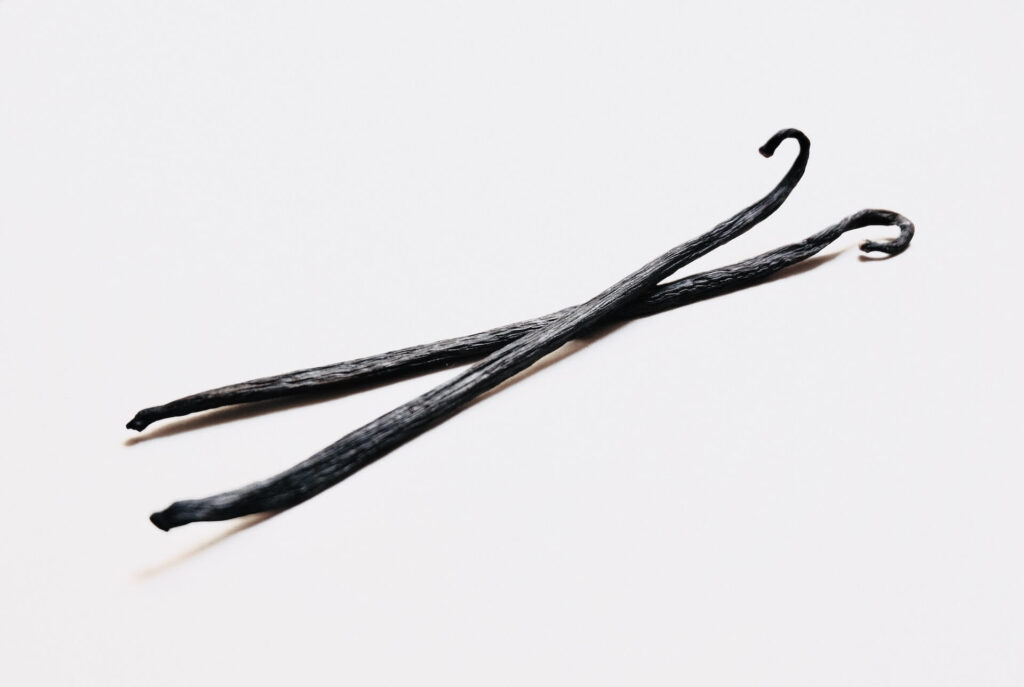
Vanilla in Japanese Food Culture
Western-style sweets, known as yōgashi, have been part of Japanese food culture for well over a century. Over time, Japanese pastry chefs have refined these recipes into something distinctly their own. Strawberry shortcake, with its light sponge and fresh cream, is a celebration cake for birthdays and Christmas. Cream puffs, roll cakes, cheesecakes, and fruit tarts fill the display cases of department store food halls, and many of them rely on vanilla-scented custard or cream.
Purin, the Japanese caramel custard pudding, deserves special mention. It is sold everywhere from premium cafes to vending machines, and the best versions use real vanilla beans to give the custard a deep, rounded flavor. Soft serve ice cream, or sofuto kurīmu, is another national favorite, with tourist spots and dairy farms competing over the richest vanilla cone. Even convenience store chains now advertise desserts made with “real vanilla beans,” knowing it attracts customers.
Vanilla also appears in drinks. Coffee chains offer vanilla lattes, and some specialty cafes make their own vanilla syrup from whole beans. Seasonal drinks often combine vanilla with matcha, sakura, or roasted hojicha, creating flavors that feel both Japanese and international. Each of these uses creates demand for different vanilla forms, from whole pods to paste, extract, and powder.
Why Japan Imports Almost All of Its Vanilla
Climate Challenges
Japan stretches for roughly 3,000 kilometers from north to south, and its climate ranges from cold, snowy winters in Hokkaido to subtropical conditions in Okinawa. Most of the country has four distinct seasons with cool or cold winters. Vanilla, however, needs warm temperatures all year, high humidity, and protection from frost. Even in the warmest parts of mainland Japan, winter temperatures are too low for healthy commercial vanilla production outdoors.
Small-Scale Trials
There have been small experimental projects in Okinawa and other southern areas, often using greenhouses to protect the vines. These efforts are interesting and show strong local enthusiasm for vanilla. However, vanilla vines need about three years before they flower, every flower must be pollinated by hand, and the beans then require months of curing to develop flavor. Producing beans with the depth of established tropical origins takes years of experience and the right climate, so domestic output remains very small compared with demand.
For Japanese confectioners, this means imports will remain the main source for the foreseeable future. Local projects may grow into a niche premium product, but they cannot replace the volume and consistency of established producing countries.
Madagascar Dependence and Its Risks
Madagascar supplies most of the world’s vanilla, and Japanese buyers have long favored its bourbon vanilla. The problem is that Madagascar’s harvests are vulnerable to cyclones, drought, theft, and early picking. When something goes wrong, global prices can rise sharply within months. Between roughly 2014 and 2018, for example, vanilla prices increased many times over, and Japanese pastry makers had to choose between paying much more, using less, or switching to synthetic flavor.
Experiences like this pushed many importers to diversify. Instead of depending on one country, they began buying from several origins so that a problem in one place would not stop production. Indonesia and Papua New Guinea became natural partners because of their proximity to Japan, their established vanilla sectors, and the distinctive character of their beans. Our global vanilla bean market overview explains how these producing countries fit together and why diversification makes sense.
Indonesian and Papua New Guinea Vanilla for Japanese Buyers
Indonesia is one of the world’s leading vanilla producers. Its Planifolia beans often have a strong, slightly smoky, woody profile that holds up well in baked goods and chocolate. This makes them well suited to purin, custard creams, and baked cheesecakes, where flavor needs to survive heat and blend with dairy. For a closer look at this variety, see our guide to choosing a Planifolia vanilla bean supplier in Indonesia.
Papua New Guinea is especially known for Tahitian vanilla, which has a more floral and fruity aroma. Japanese pastry chefs who work with fresh fruit, chilled mousses, or delicate creams often appreciate this softer profile. Tahitian vanilla pairs beautifully with strawberries, white peaches, and yuzu, all of which are popular in Japanese desserts. You can learn more about this variety in our article on finding a Tahitian vanilla bean supplier.
Using both origins lets buyers build a more flexible menu. A patisserie might use Indonesian Planifolia for baked items and Tahitian vanilla for chilled desserts. A manufacturer might blend extracts from several origins to keep flavor consistent while protecting itself from price swings in any single country.
Importing Vanilla Into Japan: What to Know
Food Import Notification
Japan has strict and well-organized food import rules. Under the Food Sanitation Act, importers must submit an import notification for food products intended for sale or business use. Quarantine stations at major ports and airports check shipments, and products that do not comply may be returned or destroyed. The Ministry of Health, Labour and Welfare’s imported food safety page explains these procedures and links to inspection plans and guidelines for importers.
Documentation From Your Supplier
A reliable supplier should provide a commercial invoice, packing list, certificate of origin, and product specifications. Depending on the product form and your customer’s requirements, you may also need a certificate of analysis, microbiological test results, or a phytosanitary certificate. Japanese buyers tend to be detail oriented, so complete and accurate paperwork builds trust quickly.
Quality Expectations
Japanese customers expect consistency. Beans should be uniform in length, color, and moisture, with no mold, cracks, or foreign matter. Packaging should be clean and secure, ideally vacuum sealed to protect aroma during shipping. Suppliers who send accurate samples and then match them in full orders tend to win long-term business.
Labeling for the Japanese Market
Products sold in Japan need Japanese labels that follow the Food Labeling Act, including the product name, ingredients, net content, best-before date, storage method, and importer details. If you plan to repack vanilla for retail, make sure your label meets these rules. Many importers work with a local labeling specialist to avoid delays.
Opportunities in the Japanese Vanilla Market
Premium patisseries and hotel bakeries are an obvious target. They buy Grade A beans and paste, care about origin stories, and are willing to pay for quality. Building a relationship with even a few respected chefs can open doors, because the Japanese pastry community is closely connected.
Convenience store and supermarket desserts are another opportunity. These products sell in large volumes, and many brands now highlight “real vanilla” on the packaging. Manufacturers supplying these chains need extract, powder, or extraction grade beans in consistent quality and stable volumes. Price matters here, but reliability matters even more.
The cafe and beverage sector continues to grow as well. Specialty coffee shops, tea cafes, and dessert drink brands use vanilla in syrups, lattes, and seasonal specials. Finally, the cosmetics and fragrance industry uses vanilla in body care, perfumes, and home fragrance products, often in combination with Japanese botanical scents.
Seasonal Peaks in the Japanese Market
Vanilla demand in Japan follows the calendar of gift giving and celebrations. Christmas is the most important season for cakes, and many families reserve a strawberry shortcake from a favorite bakery weeks in advance. Valentine’s Day and White Day, a month later, create strong demand for chocolates and baked sweets, many of which use vanilla in fillings and creams. Summer brings soft serve and chilled desserts, while autumn introduces seasonal flavors that often pair vanilla with chestnut, sweet potato, or pumpkin.
For importers, these peaks mean planning ahead. Pastry makers prepare their Christmas menus months in advance and like to confirm ingredients early. Shipping from Indonesia to Japan is relatively quick, but customs procedures and testing can add time. Ordering well before each season gives you room to check quality, handle paperwork, and deliver on schedule.
How to Store Vanilla in Japan’s Climate
Japan’s humid summers and dry winters both affect vanilla storage. In summer, high humidity encourages mold if beans are stored in loosely closed bags. In winter, dry indoor heating can pull moisture out of the beans and make them brittle. The best approach is to keep vanilla in airtight glass containers or vacuum packs in a cool, dark cupboard, away from the refrigerator.
Bakeries that use vanilla daily should open only as much as they need for a week or two and keep the rest sealed. Checking stock regularly for frosty vanillin crystals, which are harmless, and fuzzy mold, which is not, helps prevent losses. Good storage habits protect both flavor and investment.
Choosing a Supplier You Can Trust
When you look for a supplier to serve the Japanese market, track record matters. Ask how long the company has been working with vanilla, where its beans come from, and how it controls curing and sorting. Request samples from the actual lot you plan to buy, not just a general sample. Check whether the supplier can provide consistent documentation shipment after shipment.
It also helps to work with a supplier based in a producing country. Buying closer to the source usually means better control over quality, shorter communication chains, and more accurate information about harvest conditions. A supplier who knows the farmers personally can often warn you early about weather problems or price changes, giving you time to plan.
Work With Origin Harvest
Origin Harvest has supplied vanilla since 2002, sourcing directly from farmers in Indonesia and Papua New Guinea. Our team includes farmers, sorters, quality control staff, packers, and logistics specialists who handle every step from harvest to export. We offer Luxury Grade A+, Gourmet Grade A, and Extract Grade B beans in Planifolia and Tahitian varieties, along with chopped vanilla, powder, and extract.
We have exported more than 10 tons of vanilla overseas and supplied more than 20 tons to local companies. If you are an importer, patisserie, or food manufacturer serving Japan, contact us for samples and specifications. We will help you choose the right grade and form for your products and plan shipments around your production schedule.
Frequently Asked Questions
Does Japan grow its own vanilla?
Only in very small experimental projects, mainly in warm southern areas such as Okinawa. Almost all vanilla used in Japan is imported from tropical producing countries.
What do Japanese people call vanilla beans?
Vanilla beans are usually called “banira bīnzu,” a Japanese adaptation of the English name. Vanilla on its own is “banira.”
Which vanilla type suits Japanese desserts best?
Planifolia works well in baked desserts and custards such as purin. Tahitian vanilla, with its floral aroma, suits chilled creams and fruit desserts. Many chefs use both depending on the recipe.
What documents are needed to import vanilla into Japan?
Importers submit a food import notification under the Food Sanitation Act. Suppliers usually provide an invoice, packing list, certificate of origin, and specifications, and some buyers also request lab tests or phytosanitary certificates.
Why do vanilla prices in Japan change so much?
Prices follow the global market, which is strongly affected by harvests in Madagascar. Diversifying with Indonesian and Papua New Guinea vanilla helps buyers reduce this risk.
Reviewed and updated by the Origin Harvest Editorial Team on November 27, 2026. We corrected the Japanese term for vanilla beans, removed unsupported price and shipment figures, described local cultivation trials in general terms, and added guidance on Japan’s food import notification and labeling rules.