
Smooth, shiny hair that smells good all day is something almost everyone wants, regardless of gender or hair type. That is one reason vanilla has become such a popular ingredient in shampoos, conditioners, hair oils, and hair mists. The scent is warm, soft, and comforting, and it lingers on the hair longer than many fresher fragrances. So, have you tried vanilla bean hair care yet?
Before you start, it helps to separate the real benefits from the marketing. Vanilla is a wonderful fragrance ingredient with some antioxidant compounds, but it does not regrow hair or repair split ends by itself. Most of the conditioning work in a hair product comes from oils, butters, and conditioning agents, while vanilla makes the experience more enjoyable. In this guide, we explain what vanilla can realistically do for your hair, how to make a few simple vanilla hair treatments at home, and how to choose the right vanilla beans for the job. If you like making small batches at home, our recipe for vanilla bean lip balm uses the same vanilla infused oil.
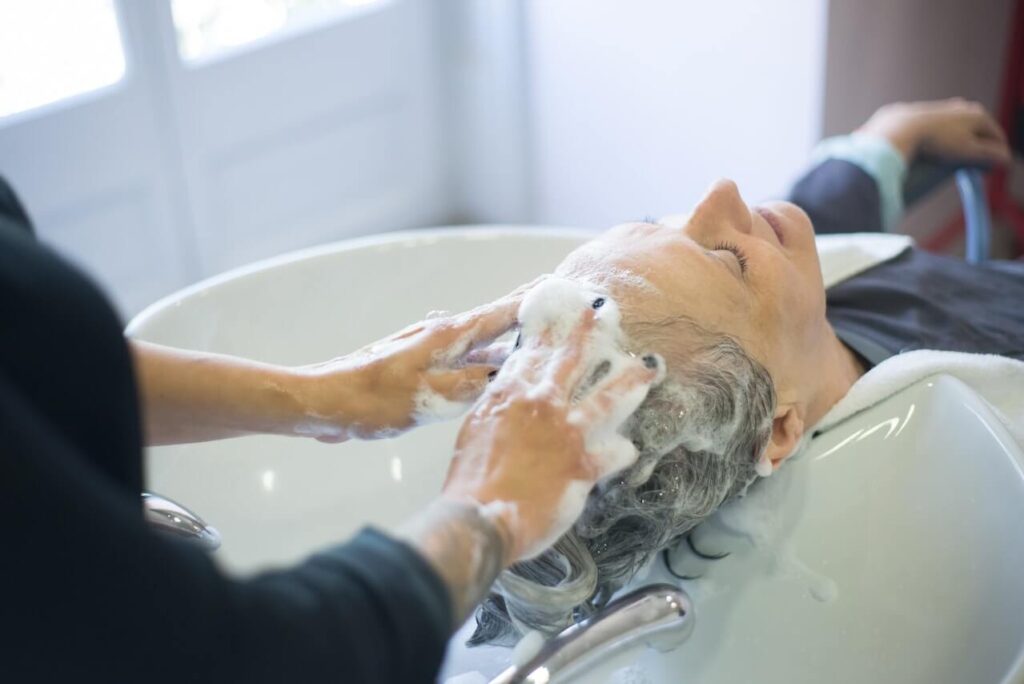
What Vanilla Can and Cannot Do for Your Hair
Vanilla beans contain vanillin and other phenolic compounds that show antioxidant activity in laboratory studies. Antioxidants help limit damage from free radicals, which form when hair and scalp are exposed to UV light, pollution, and heat styling. In a hair product, though, vanilla is used in small amounts, so its antioxidant effect is modest. It is best seen as a supporting ingredient rather than a treatment.
Some articles claim that vanilla is rich in B vitamins, zinc, copper, and amino acids that stimulate hair growth. Vanilla beans do contain traces of these nutrients, but the amounts in a shampoo or hair mask are far too small to influence growth. Hair growth depends mostly on genetics, hormones, overall health, and nutrition from your diet. If you are experiencing noticeable hair loss, a dermatologist is the right person to see, because many causes can be identified and treated.
What vanilla does well is make hair care pleasant. A conditioning oil that smells of real vanilla encourages you to use it regularly, and consistency is what actually improves dry or damaged hair. The scent also lasts nicely on the hair and can replace heavier perfumes. For many people, that alone is a good reason to bring vanilla into their routine.
The Basics of Healthy Hair Care
No ingredient, natural or synthetic, can make up for a harsh routine. The American Academy of Dermatology’s tips for healthy hair recommend choosing products for your hair type, focusing shampoo on the scalp, using conditioner after every wash, handling wet hair gently, and limiting heat styling. These simple habits do more for your hair than any single ingredient. Vanilla treatments work best when they are added to a routine that already follows these basics.
Dry hair, for example, usually benefits from washing less often and conditioning the full length of the hair. Oily hair may need more frequent washing, with conditioner applied mainly to the ends. Color-treated or chemically straightened hair needs extra moisture and gentle handling. Once you understand your hair type, you can choose the vanilla treatment that suits it best.
Simple Vanilla Bean Hair Treatments to Make at Home
The easiest way to bring real vanilla into your hair routine is to infuse it into oil. Vanilla’s aroma compounds dissolve well in oil, and oil is already one of the most useful ingredients for dry or frizzy hair. From there, you can create a pre-wash treatment, a leave-in serum, or a simple mask.
Vanilla Infused Hair Oil
Split two vanilla beans lengthwise and cut them into short pieces. Place them in a clean, dry glass jar and cover them with about 120 ml of a hair-friendly oil, such as coconut, argan, sweet almond, or jojoba oil. Set the jar in a pan of warm water over very low heat for one to two hours, then close it and leave it in a cool, dark place for one to two weeks. Shake it every couple of days, then strain the oil through a fine cloth.
This oil can be used in several ways. Apply a few drops to the ends of dry hair as a light serum, or massage a larger amount into the lengths before washing as a pre-shampoo treatment. If you have fine hair, use very little, because oil can weigh it down. If you leave pods behind after straining, our guide to various uses of vanilla bean pods for sustainable living has ideas for giving them a second life.
Vanilla Conditioning Mask
Mix two tablespoons of your vanilla infused oil with one tablespoon of plain, unscented conditioner and one teaspoon of honey. Apply the mixture to damp hair from the mid-lengths to the ends, then cover your hair with a shower cap. Leave it for 20 to 30 minutes before washing it out with a gentle shampoo. Honey helps attract moisture, while the oil softens and smooths the hair surface.
Vanilla Scented Rinse
For a lighter option, steep one chopped vanilla bean in 250 ml of hot water for about 30 minutes, then let it cool completely and strain it. After shampooing and conditioning, pour the cool vanilla water through your hair as a final rinse. It leaves a gentle scent without adding oil. Make a fresh batch each time, because water infusions spoil quickly and should not be stored.
| Treatment | Best For | How Often | Shelf Life |
|---|---|---|---|
| Vanilla infused oil (serum) | Dry ends, frizz, curly hair | A few drops daily or as needed | About 6 months if kept dry and dark |
| Pre-wash oil treatment | Very dry or color-treated hair | Once or twice a week | Same as the oil |
| Conditioning mask | Damaged or rough hair | Once a week | Make fresh each time |
| Vanilla rinse | Light scent for oily or fine hair | After washing | Use the same day |
Adding Vanilla to Store-Bought Products
Many people want to add vanilla to the shampoo or conditioner they already use. This is possible, but be careful. Adding a few drops of vanilla infused oil to a single portion of conditioner in your hand works well. Pouring vanilla extract or oil straight into the whole bottle is less ideal, because it can change the product’s balance, weaken its preservative system, and cause it to spoil sooner.
Vanilla extract also contains alcohol, which can dry out hair and scalp if used often. If you want a vanilla scent in your shampoo, mix a small amount into each wash rather than altering the entire bottle. Alternatively, choose a commercial product that already uses real vanilla and has been formulated and tested for stability.
Combining Vanilla With Other Hair-Friendly Ingredients
Vanilla pairs nicely with several ingredients that have their own benefits. Jojoba oil closely resembles the natural oils of the scalp and absorbs without feeling heavy. Argan oil adds shine and smoothness, especially to frizzy hair. Coconut oil can reduce protein loss when used before washing, which is helpful for damaged hair.
Essential oils such as lavender or rosemary are also popular in hair blends. Use them carefully, always diluted in a carrier oil, and avoid them if you have a sensitive scalp. A blend of vanilla infused jojoba oil with a drop or two of lavender oil makes a calming evening treatment that smells lovely on the pillow. For more ways to use vanilla creatively at home, browse our list of vanilla bean crafts to try at home.
A Weekly Vanilla Hair Care Routine
It is easy to collect hair products and then forget to use them consistently. A simple weekly plan helps you see whether a new treatment is actually working. For dry or curly hair, try a vanilla oil pre-wash treatment once a week, followed by a gentle shampoo and a generous conditioner. On the days in between, smooth two or three drops of vanilla infused oil over the ends to control frizz and add a light scent.
For normal or slightly oily hair, the routine can be lighter. Use the vanilla rinse after washing two or three times a week, and save the oil for the very ends only. If your scalp gets oily quickly, avoid applying oil near the roots, because it can make hair look flat by the end of the day. Track how your hair feels after four weeks, and adjust the amounts before deciding whether the routine suits you.
Men with short hair or beards can use vanilla oil too. A drop or two massaged into a beard softens the hair and leaves a subtle, warm scent that many people prefer to strong colognes. The same oil works on dry hands and cuticles, so one small bottle can cover several grooming needs.
Climate also matters. In hot, humid countries such as Indonesia or Malaysia, lighter oils like jojoba or fractionated coconut oil feel more comfortable than heavy butters, and a little goes a long way. In cold, dry winters, hair often needs richer care, so a weekly mask with argan or regular coconut oil can make a clear difference. Adjusting your vanilla routine to the season keeps your hair balanced throughout the year.
Safety Tips for Vanilla Hair Care
Even natural ingredients can cause irritation. Before using a new homemade treatment, test a small amount on the skin behind your ear or on your inner arm and wait 24 hours. If you notice redness, itching, or a rash, do not use it on your scalp. People with known allergies to vanilla, nuts, or specific oils should choose their ingredients accordingly. Many of the same oils also suit the skin, as our guide to vanilla bean skincare explains.
Keep homemade products clean and dry. Use sterilized jars, avoid getting water into oil-based preparations, and label everything with the date. Throw away any product that smells sour, changes color, or shows signs of mold. Finally, remember that homemade treatments are for cosmetic care, not medical treatment. Persistent scalp problems such as heavy flaking, pain, or sudden hair loss deserve professional attention.
Choosing Vanilla Beans for Hair Care
You do not need the most expensive beans for hair treatments. Because the beans will be infused in oil, flavor intensity and aroma matter more than appearance. Origin Harvest grades its vanilla in three main classes, and each has its place.
Luxury Grade A+
Luxury beans are at least 16 cm long, with 25 to 30 percent moisture and a black, oily surface. They have a strong, rich aroma and are ideal when you want a premium product, such as a vanilla hair perfume oil or a gift set. Their appearance also makes them attractive for packaging if you plan to sell your creations.
Gourmet Grade A
Gourmet beans measure 14 to 16 cm and also have 25 to 30 percent moisture. They offer an excellent balance of aroma and value, making them a good all-round choice for infused hair oils and masks. Many small cosmetic brands choose this grade for their regular products.
Extract Grade B
Extract grade beans are usually up to 14 cm long with about 10 to 15 percent moisture. They look drier and less attractive but still carry plenty of aroma, which makes them very cost-effective for infusions. If you plan to make large batches of vanilla oil, this grade is often the smartest choice.
Both Planifolia and Tahitian vanilla work well in hair care. Planifolia gives a creamy, classic vanilla scent, while Tahitian vanilla is more floral and fruity, with a lighter feel. Origin Harvest sources both from farmers in Indonesia and Papua New Guinea and has supplied vanilla since 2002. If you are developing a hair care line, contact our team to discuss grades, forms, and quantities that fit your formulation.
Frequently Asked Questions
Does vanilla make hair grow faster?
No. There is no good evidence that vanilla speeds up hair growth. Its main benefits in hair care are fragrance and mild antioxidant support, while growth depends on genetics, health, and diet.
Can I put vanilla extract directly in my hair?
It is better not to. Extract contains alcohol, which can dry the hair and scalp. Vanilla infused oil is a gentler option that also conditions the hair.
Which oil is best for a vanilla hair treatment?
It depends on your hair. Jojoba suits most hair types, argan adds shine to frizzy hair, and coconut oil works well as a pre-wash treatment for damaged hair.
Reviewed and updated by the Origin Harvest Editorial Team on November 27, 2026. We removed claims that vanilla stimulates hair growth or repairs split ends, corrected grade moisture figures to match Origin Harvest specifications, and added home recipes with dermatology-based hair care basics.