Indonesia Vanilla Beans Supplier Since 2002
Discover the Finest Exported Vanilla Beans
100% Quality Guaranteed

Indonesia Vanilla Beans Supplier with Phytosanitary Certification
As a trusted Indonesia vanilla beans supplier, we provide high-quality vanilla beans for international markets. All shipments are fully supported with official phytosanitary certificates issued by the Indonesian Agricultural Quarantine Agency, ensuring compliance with global import regulations.


Exported Vanilla Beans
Supplied To Local Indonesian Companies
And still counting…
Indonesia ranks second as the largest producer of vanilla beans globally. Origin Harvest has supplied vanilla beans to numerous Indonesian suppliers and exports to multiple countries. As a direct source of Indonesian vanilla beans, we proudly serve as the primary supplier, offering a wide range of options, from extract grade, gourmet grade to luxury grade, including Tahitian and planifolia beans. We directly source our beans from vanilla farmers in Papua New Guinea (PNG) and Indonesia. Our competitive pricing ensures excellent value for our customers.
Origin Harvest
Indonesia Vanilla Beans
We supply Vanilla Pods, Chopped Vanilla, Vanilla Powder, and Vanilla Extract.
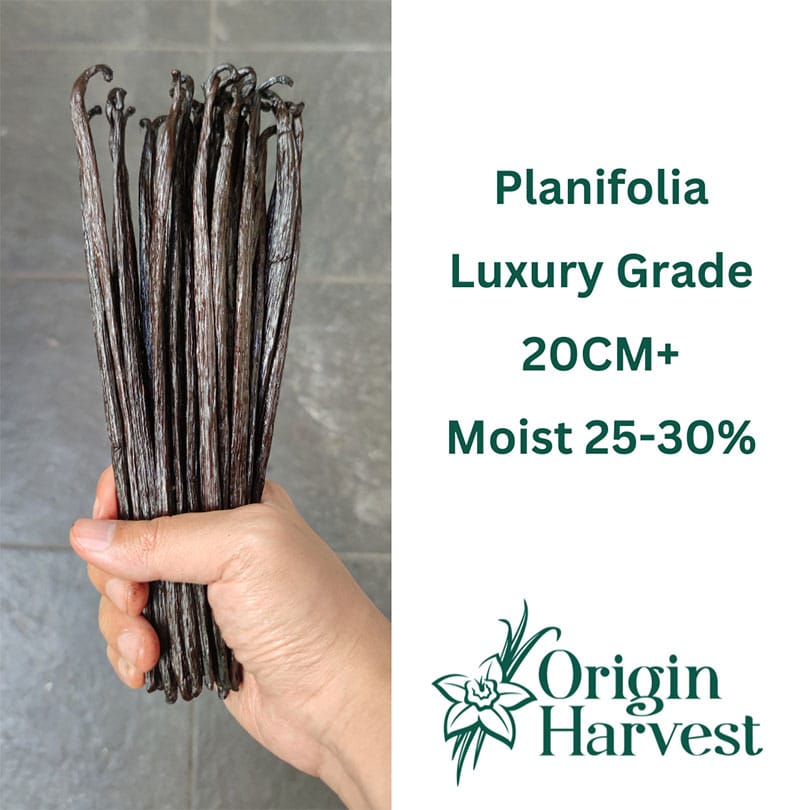
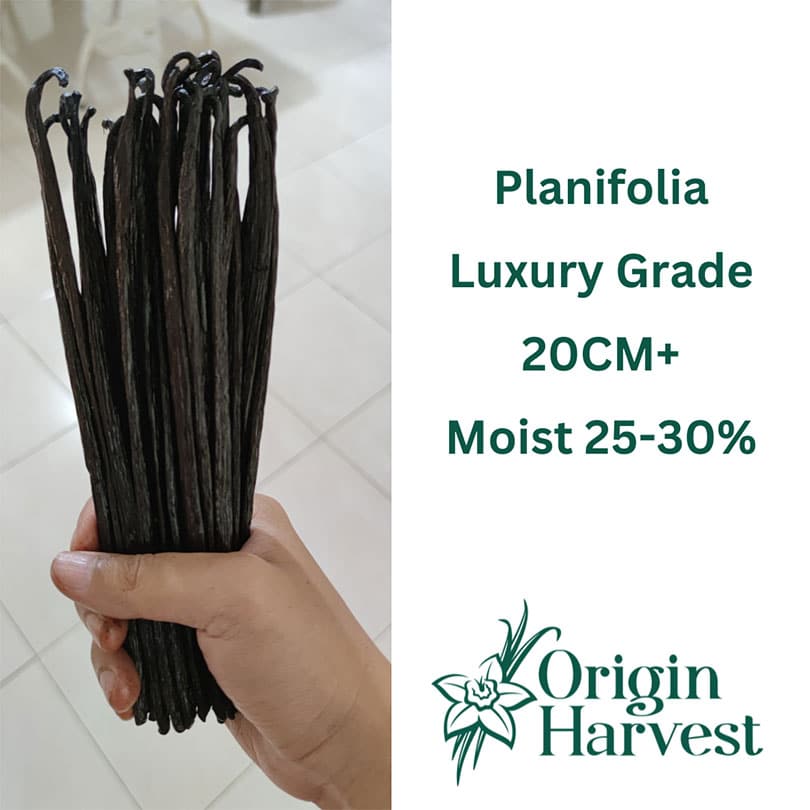
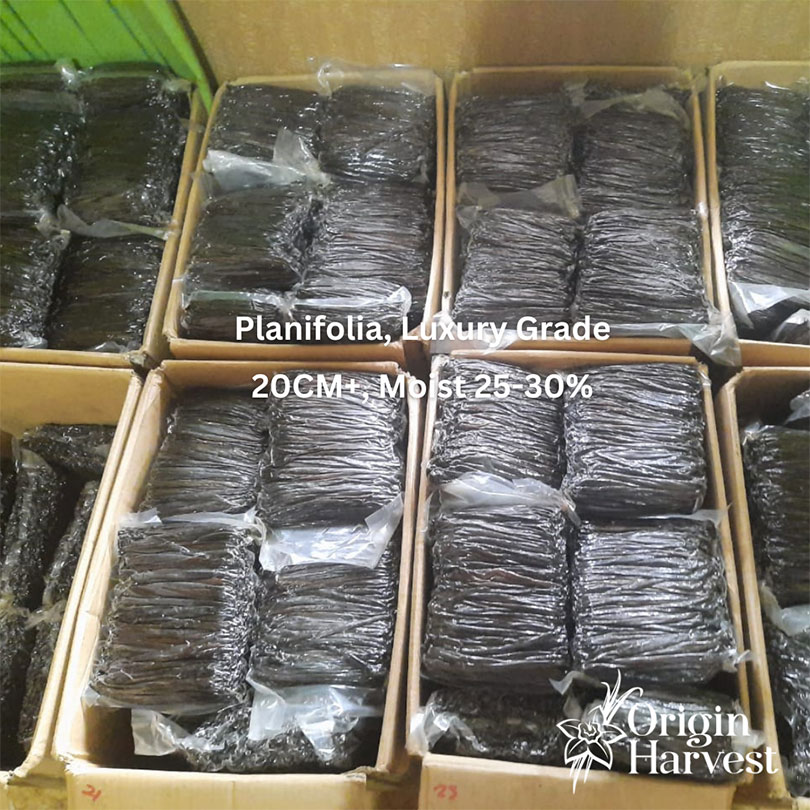
LUXURY GRADE
Grade: A+
Vanilla Bean Types: Planifolia and Tahitian
Vanillin Content: ≥ 2%
Length: ≥16 cm
Moisture: 25-30%
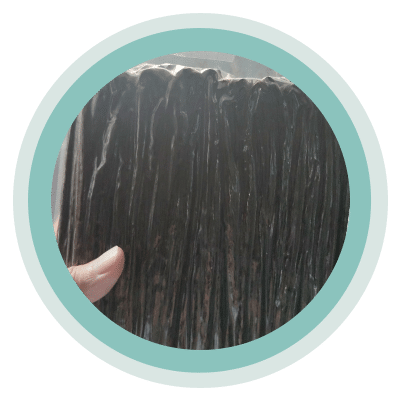
Appearance: Black Oily
Aroma: Strong and Aromatic
Harvest: Old and Ripe
Quality Assurance: No Mold, No Split
GOURMET GRADE
Grade: A
Vanilla Bean Types: Planifolia and Tahitian
Vanillin Content: 1-2%
Length: 14 – 16 cm
Moisture: 25-30%
Appearance: Black Oily
Aroma: Strong and Aromatic
Harvest: Old and Ripe
Quality Assurance: No Mold, No Split
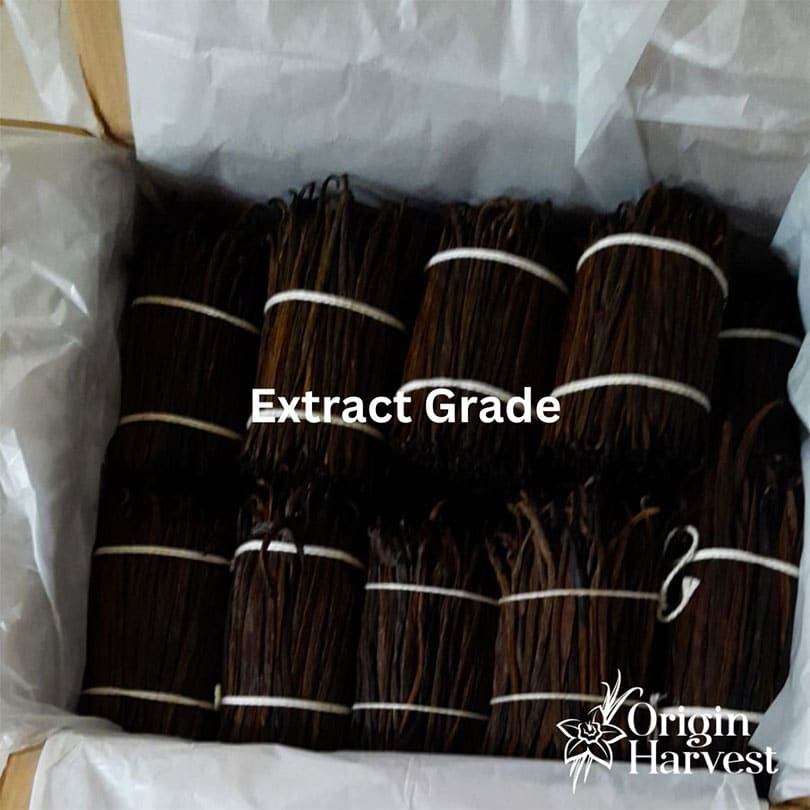
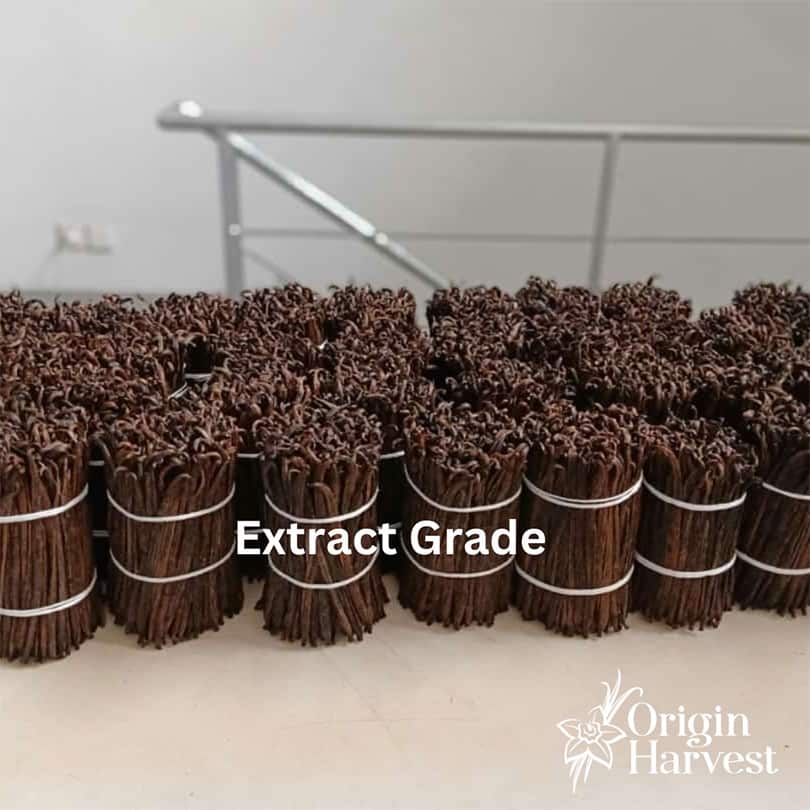
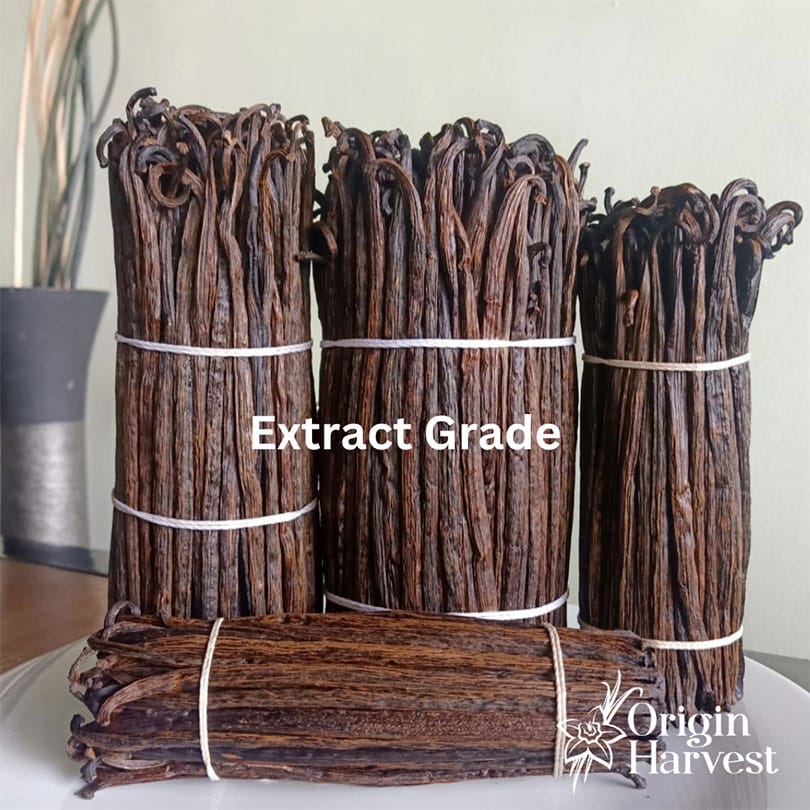
EXTRACT GRADE
Grade: B
Vanilla Bean Types: Planifolia and Tahitian
Vanillin Content: ≤ 1.5%
Length: ≤14 cm
Moisture: +/- 10%
Appearance: Black, Not Oily
Aroma: Strong and Aromatic
Harvest: Old and Ripe
Quality Assurance: No Mold, No Split
Approaches to Growing Indonesia Vanilla Beans
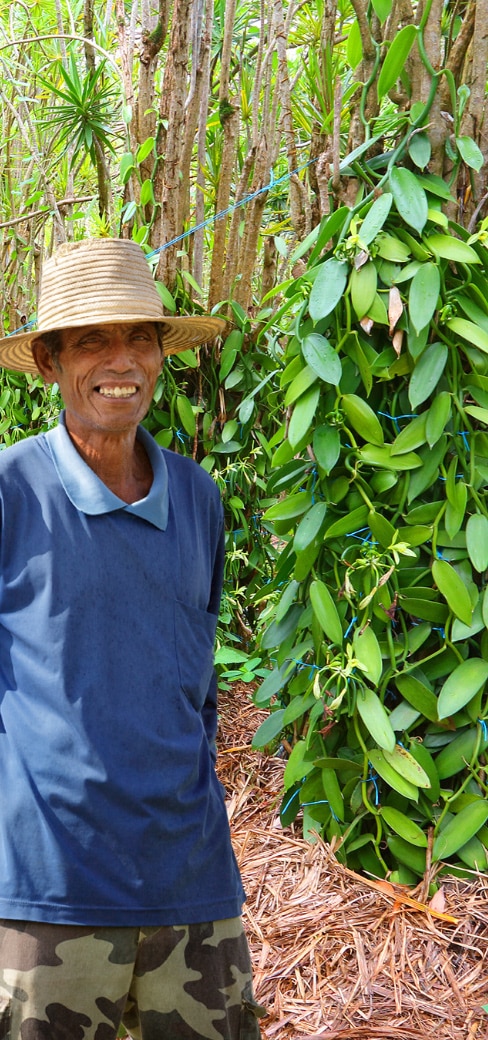
Vanilla grows best in tropical regions with stable temperatures and high humidity. It can also be cultivated in greenhouses; however, this method requires intensive labor and careful maintenance. Successful vanilla cultivation depends on fertile, slightly acidic soil with good drainage, along with proper fertilization to prevent pests and support healthy growth. Because vanilla is a climbing plant, additional support such as stakes or trees is essential.
Although vanilla can be grown in polybags, this approach is recommended only for experienced growers. As a member of the orchid family, vanilla requires delicate care and a controlled environment throughout its growth cycle. With consistent attention and proper conditions, the long cultivation process is ultimately rewarded at harvest time.
Vanilla vines require patience, as they grow gradually in a conditioned tropical environment. During the medium growth stage, a mixture of orchid compost is commonly used, and sturdy supports are provided to help the vines climb. Vanilla plants are highly sensitive to heat, light intensity, and soil moisture. To produce high-quality vanilla beans, these three factors must be carefully balanced. During the wet season, maintaining stable humidity and moisture levels is especially important.
Flower production begins after the vanilla vine receives controlled watering for approximately six to eight weeks. The flowers bloom briefly and naturally bend downward. At this stage, manual pollination is required. Skilled labor carefully transfers pollen from the flower’s anther to the stigma to ensure successful bean formation. Once pollinated, the green vanilla beans remain on the vine for six to nine months, during which vanillin develops and the characteristic vanilla flavor is formed.
These precise cultivation and harvesting processes allow us to produce high-quality vanilla beans that meet international market standards.
How Do We Dry Our
Indonesia Vanilla Beans?

Preparation
Preparation of vanilla in the form of wet pods (7kg per treatment with 2 replications)
Withering
Withering of vanilla pods by immersing them in water at 63°C – 65°C for 2-5 minutes.
Fermented
Vanilla pods are fermented at 38°C – 40°C for 24 hours.
Measurement
Measurement of initial mass and moisture content
Drying
Drying Process (Sun Drying)
Finishing
Dried Vanilla beans
Luxury and Gourmet Grade (moisture content 25% – 30%)
Extract Grade (10% – 15%)
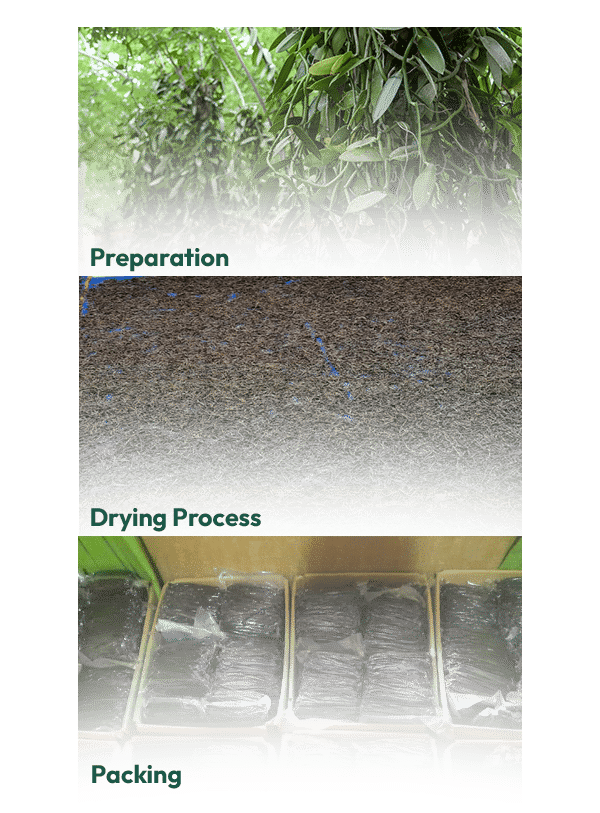
How Do We Pack Vanilla Beans?
Quality Check
Before packaging, carefully inspect the vanilla beans for any signs of mold, damage, or infestation. We only select high-quality beans for packaging. We give 100% guarantee against mold, damage and infestation.
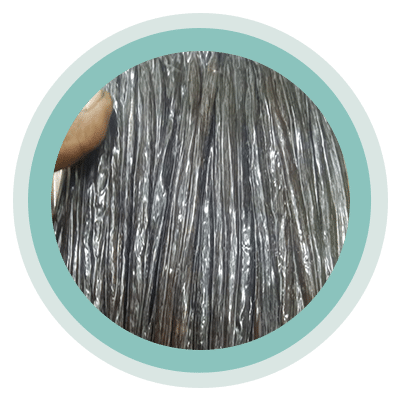
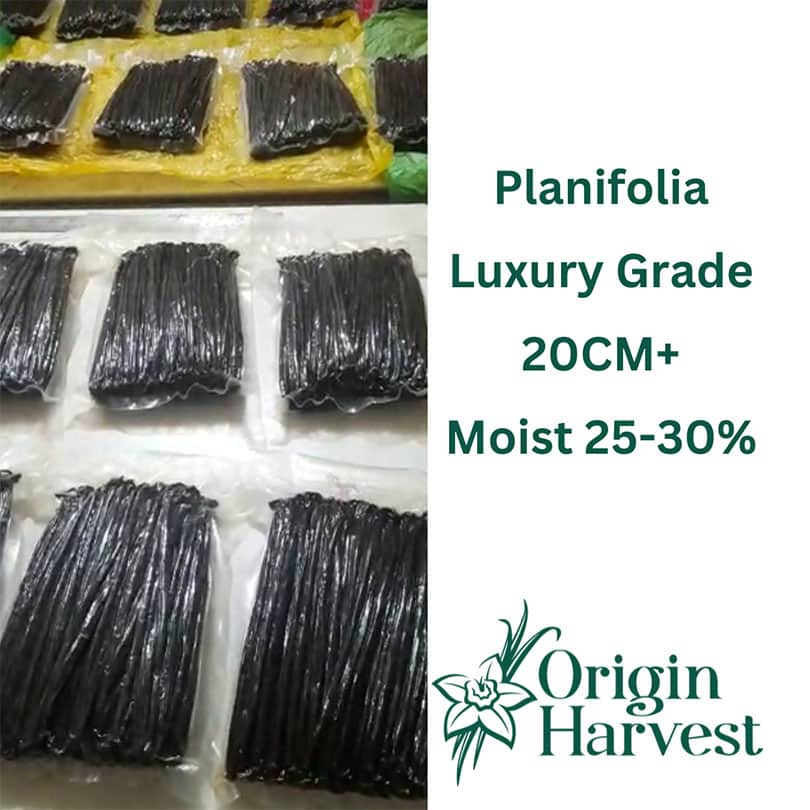
Vacuum Sealing
Vacuum sealing is an effective method for preserving the flavor and aroma of vanilla beans.
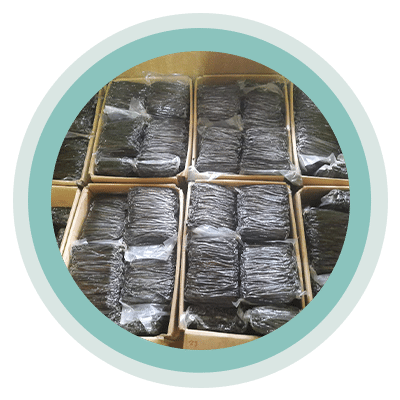
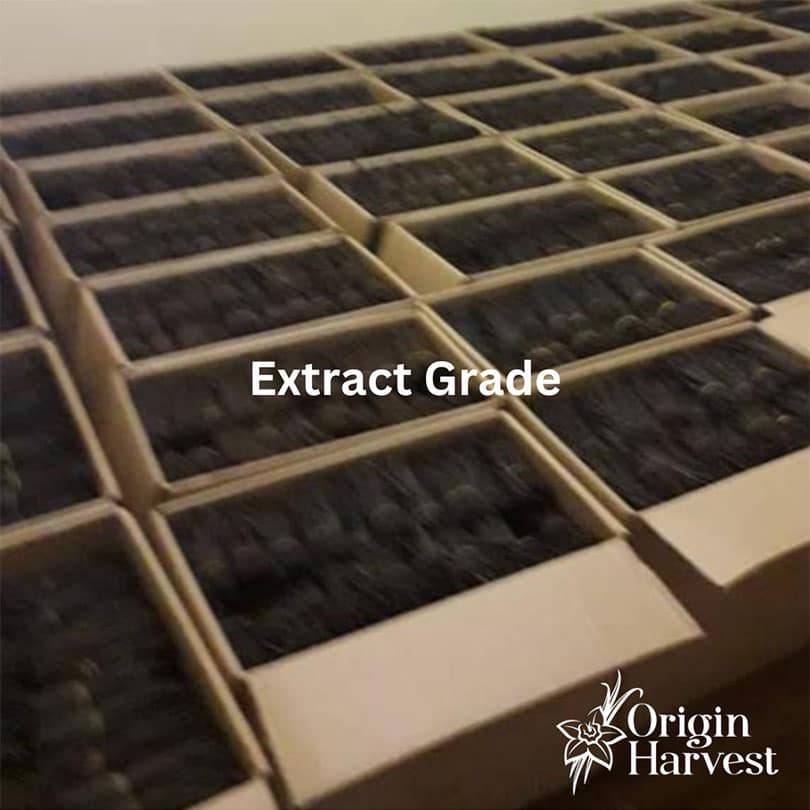
Cardboard Box
Once the vacuum-sealed bags are ready, we place the vanilla beans in a sturdy cardboard box.
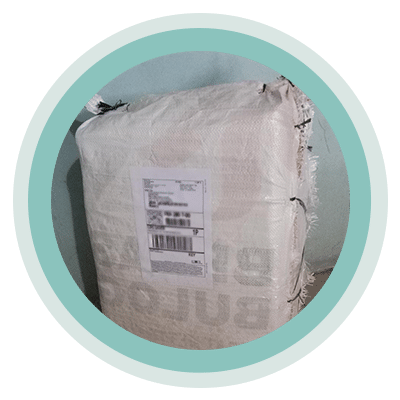
Sack or Padding
To provide extra protection, we use a sack to help absorb any impact during transportation and minimizes the risk of beans getting crushed.
Frequently Asked Questions (FAQ) About Vanilla Beans
What climate is best for growing vanilla beans?
Vanilla beans grow best in tropical climates with stable temperatures, high humidity, and adequate rainfall. Indonesia and Papua New Guinea (PNG) both offer natural environments that are highly suitable for vanilla cultivation.
Where do your vanilla beans come from?
Our vanilla beans are primarily sourced from Papua New Guinea (PNG) and Indonesia, regions known for their fertile soil, tropical climate, and long-standing vanilla farming practices.
Is vanilla difficult to cultivate?
Yes. Vanilla is part of the orchid family and requires careful handling, controlled moisture, proper light, and strong support for climbing. The cultivation process is labor-intensive and requires experienced farmers.
Why does vanilla cultivation require manual pollination?
Vanilla flowers bloom for a very short period and must be pollinated by hand to produce beans. Skilled labor carefully transfers pollen within the flower to ensure successful bean formation.
How long does it take for vanilla beans to mature?
After pollination, vanilla beans remain on the vine for approximately six to nine months, during which natural vanillin develops and the flavor profile forms.
What factors affect vanilla bean quality the most?
The most important factors are:
-
Temperature stability
-
Controlled light exposure
-
Proper soil moisture and humidity
Maintaining balance among these factors is essential to produce premium-quality vanilla beans.
Are vanilla plants sensitive to pests and diseases?
Yes. Vanilla plants can be affected by insects and diseases, particularly when overwatered. Proper cultivation practices and monitoring help minimize these risks.
Are your vanilla beans suitable for export?
Yes. Our vanilla beans are cultivated under controlled conditions and supplied with phytosanitary certification, making them suitable for international markets.