
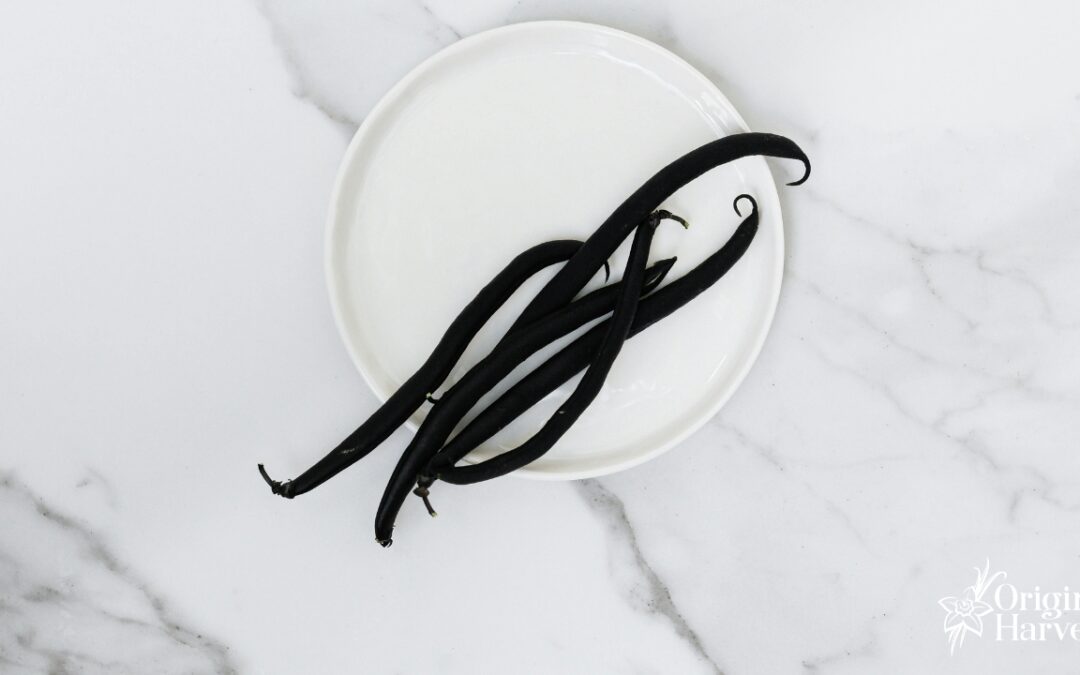
Discussing vanilla bean in Spain is quite fascinating due to its rich history. This versatile spice has a special connection with Spain. Spanish conquerors introduced vanilla to Europe long ago, and it quickly became popular once they discovered it. The world soon fell in love with its unique flavor.
However, today, vanilla beans are rare in Spain. Historically, Spain played a key role in bringing this magical plant to European soil. Many people are not aware that vanilla flavor actually comes from an orchid plant. Common knowledge suggests that the flavor comes from vanilla powder, which is readily available in stores. In reality, many of these products contain artificial vanilla, a synthetic version of the original.
Contents
- 1 The Market of Vanilla Bean in Spain
- 2 Vanilla Bean in Spain and Its Benefits for Meat Marinade
- 3 Spanish Chefs and the Use of Vanilla in Savory Cooking
- 4 Vanilla in Spanish Cuisine: Sweet vs. Savory Applications
- 5 Proveedor de Vainilla en Indonesia: Importar Facil a Espana
- 6 How to Get Vanilla Bean in Spain
- 7 Frequently Asked Questions About Vanilla Bean in Spain
- 7.1 Why can’t vanilla grow in Spain?
- 7.2 Is vanilla commonly used in savory Spanish cooking?
- 7.3 What are the benefits of using real vanilla beans over artificial vanilla in cooking?
- 7.4 How should I use vanilla beans in a meat marinade?
- 7.5 What is the best grade of vanilla bean to use for cooking in Spain?
- 7.6 How does Origin Harvest ship vanilla beans to Spain?
The Market of Vanilla Bean in Spain
The scarcity of vanilla beans in Spain arises because they cannot grow well in the country. Vanilla plants thrive in regions with warm temperatures, plenty of sunlight, and a certain level of humidity. Unfortunately, Spain’s soil and climate do not meet these conditions, making it difficult for vanilla to grow, and many plants fail to survive.
As a result, people in Spain are generally unfamiliar with the original form of vanilla before it is processed into paste or powder. Meanwhile, the demand and price of vanilla beans in Spain are influenced by several factors, including local consumption trends, global supply issues, and the price of vanilla on the international market.
Since Spain does not produce vanilla beans domestically, it imports a large quantity. Vanilla is, however, a popular ingredient in Spain, especially in the culinary and pastry industries. The demand for vanilla beans is quite high in high-end restaurants, bakeries, and among domestic consumers interested in natural flavors for products like ice cream, chocolate, and baked goods.
Due to the high price of vanilla beans, some producers and consumers often opt for vanilla extract or artificial vanilla flavors as more affordable alternatives. The price of vanilla beans has risen in recent years due to supply constraints, primarily because of challenging harvests in major vanilla-producing countries like Madagascar, which supplies the majority of the world’s vanilla.
The price of high-quality vanilla beans typically ranges from 300 to 600 euros per kilogram, depending on quality, grade, and whether the beans are certified organic. Prices often fluctuate due to global supply disruptions, which can make premium vanilla beans in Spain quite expensive. To understand more about how vanilla has been priced throughout its long history, read our article on vanilla bean history.
Vanilla Bean in Spain and Its Benefits for Meat Marinade
This is something quite extraordinary to discuss: a savory dish with vanilla as one of the key ingredients. In Spain, vanilla is increasingly being used to marinate meats such as lamb and pork. Using vanilla in a marinade brings several notable benefits.
First, vanilla contains vanillin and a range of other phenolic compounds that function as antioxidants, helping to protect cells from oxidative damage. Research published in the Journal of Agricultural and Food Chemistry has confirmed that vanillin exhibits significant antioxidant activity and can help inhibit lipid peroxidation in food. This makes vanilla not only a flavor enhancer but also a protective ingredient in meat preparation.
Second, vanilla helps to neutralize the strong or unpleasant odor that can be present in certain meats. When combined with other marinade ingredients such as olive oil, garlic, and herbs, vanilla’s aromatic compounds work to balance and elevate the overall scent and taste of the dish. The result is meat that smells more inviting and tastes more refined.
In the past, when vanilla was hard to find in Spain, dishes featuring vanilla were only available in high-end restaurants. However, as import and export trade has become smoother, this spice is becoming more accessible. People’s appreciation for vanilla beans in Spain is growing alongside increased awareness of natural and clean-label ingredients in cooking.
Spanish Chefs and the Use of Vanilla in Savory Cooking
Miguel Angel Mayor is a well-established Spanish chef known for his innovative and boundary-pushing culinary approach. He has worked in some of Spain’s most prestigious kitchens, including El Bulli under Ferran Adria and Mugaritz under Andoni Luis Aduriz. In 2017, he opened his own restaurant, Sucede in Valencia, which earned a Michelin star. His cooking philosophy centers on creativity, combining unexpected ingredients to produce balanced and memorable dishes.
Chefs like Miguel Angel Mayor represent a growing movement in Spanish gastronomy that treats vanilla not as a purely sweet ingredient but as a complex spice with real potential in savory applications. Combining vanilla with rosemary, garlic, and olive oil in a slow marinade is one way Spanish cooks are exploring this versatility, allowing the floral and warm notes of vanilla to complement the earthiness of herbs and the richness of grilled or roasted meats.
One of the more striking expressions of this approach is the pairing of sweet vanilla with savory or bitter elements, such as caramelized onions or smoked ingredients, creating dishes that surprise the palate while remaining deeply satisfying. While vanilla in sweet foods is universally understood, its role in Spanish savory cooking is still relatively rare globally, which is precisely what makes it so distinctive and memorable.
Vanilla in Spanish Cuisine: Sweet vs. Savory Applications
| Application | Dish Type | Vanilla Role | Recommended Vanilla |
|---|---|---|---|
| Meat marinade | Savory (lamb, pork) | Aroma enhancer, antioxidant | Planifolia (bold, creamy) |
| Pastry and baking | Sweet (cakes, churros) | Primary flavoring | Planifolia or Tahitian |
| Ice cream and gelato | Sweet/dessert | Base flavor | Planifolia (classic vanilla) |
| Chocolate products | Sweet/confectionery | Complementary flavor | Planifolia (chocolatey notes) |
| Sweet-savory fusion | Creative/fine dining | Balancing element | Tahitian (floral, subtle) |
Proveedor de Vainilla en Indonesia: Importar Facil a Espana
Para los compradores profesionales, pasteleros, empresas cosmeticas y emprendedores en Espana que buscan un proveedor de vainas de vainilla confiable, Indonesia es una de las mejores fuentes disponibles en el mundo. Como segundo mayor productor mundial de vainilla despues de Madagascar, Indonesia ofrece calidad constante, existencias abundantes y precios competitivos para los compradores internacionales, incluidos los ubicados en Espana y en el resto de la Union Europea.
Importar vainilla de Indonesia a Espana es un proceso bien establecido. Los exportadores indonesios serios, como Origin Harvest, proporcionan toda la documentacion necesaria para la importacion en la Union Europea, en particular el certificado fitosanitario emitido por la Agencia de Cuarentena Agricola de Indonesia (BARANTAN), que cumple con los requisitos de importacion de la UE. Los envios estan disponibles por via aerea para pedidos urgentes o por via maritima para grandes cantidades, con un embalaje protector de multiples capas que garantiza la integridad del producto a su llegada a puertos espanoles como Valencia, Barcelona o Algeciras.
Whether you are a pastry chef in Madrid or Barcelona looking for luxury grade planifolia pods, a food manufacturer in Catalonia seeking consistent extract-grade supply, or an entrepreneur building a vanilla import business in Spain, sourcing directly from Origin Harvest in Indonesia gives you access to premium quality at competitive wholesale prices with reliable shipping to any destination in Spain.
How to Get Vanilla Bean in Spain
Due to climate and environmental factors, Spain relies on imports to meet its vanilla demand. However, this does not mean that there are no vanilla producers at all in the country. The quantity of domestic production is simply too small to satisfy the large public demand, especially from the culinary and food manufacturing sectors.
Spain is a country with a rich culinary culture, and its chefs and recipe creators are always looking for high-quality ingredients that match their ambitions. While vanilla is popular around the world as an ingredient in sweet foods such as desserts, cakes, and ice cream, Spain also incorporates it into savory dishes in ways that remain relatively rare in global cuisine. For a deeper look at the many ways vanilla beans can be used in the kitchen, our guide on vanilla bean flavoring is a useful starting point.
Many people wonder where they can find high-quality vanilla at competitive prices. You can get vanilla beans in Spain through Origin Harvest. We are based in Indonesia, a tropical country that holds the title of the world’s second largest vanilla-producing country. Our offerings are of the highest quality, grown in fertile soil rich in the minerals necessary to cultivate exceptional vanilla.
The sunlight in our region is ideal for the plants, and we provide just the right amount of irrigation for healthy growth. We also ensure that all our processes are carried out using organic and traceable methods. The most important factor in our success is manual pollination, performed carefully and diligently by our farmers using the same hand-pollination technique that has been used since 1841.
With optimal natural conditions and skillful human resources, our vanilla is of exceptional quality. Additionally, our stock is abundant and available in multiple grades, from extract grade to luxury grade, to match any production requirement. We invite you to try our best vanilla. Origin Harvest is here to support the culinary world with premium vanilla beans for Spain and beyond.
Frequently Asked Questions About Vanilla Bean in Spain
Why can’t vanilla grow in Spain?
Vanilla orchids require a very specific set of growing conditions to thrive and produce pods. They need consistently warm temperatures, high humidity, filtered sunlight, and a tropical or subtropical climate. Spain’s climate, particularly in inland and northern regions, is too dry, too cold in winter, and lacks the consistent humidity that vanilla plants need. While some areas of southern Spain have warmer conditions, they still do not provide the year-round tropical environment that vanilla cultivation demands. As a result, Spain relies entirely on imports from countries like Madagascar, Indonesia, and Papua New Guinea to meet its vanilla demand.
Is vanilla commonly used in savory Spanish cooking?
Traditionally, vanilla has been associated primarily with sweet applications in Spanish cuisine, such as pastries, churros, ice cream, and chocolate. However, in recent years, innovative chefs in Spain have begun experimenting with vanilla in savory dishes, particularly in meat marinades and fine dining preparations. This trend reflects a broader movement in contemporary Spanish gastronomy toward creative ingredient pairings and a greater appreciation for the complexity of natural spices. While still not mainstream in everyday Spanish cooking, vanilla’s role in savory dishes is growing as more cooks and food enthusiasts discover its potential beyond desserts.
What are the benefits of using real vanilla beans over artificial vanilla in cooking?
Real vanilla beans contain over 250 natural flavor and aroma compounds, with vanillin being the primary one. This complexity gives dishes a depth of flavor that synthetic vanillin simply cannot replicate. In addition to superior flavor, natural vanilla also contains phenolic compounds with antioxidant properties, which have been documented in food science research. Artificial vanilla flavoring, made from synthetic vanillin, delivers a one-dimensional sweetness without any of these additional benefits. For high-end culinary applications, both sweet and savory, real vanilla beans consistently produce better results in terms of aroma, flavor depth, and presentation, as whole beans leave visible seeds in the finished dish.
How should I use vanilla beans in a meat marinade?
To use vanilla beans in a meat marinade, split one or two beans lengthwise and scrape out the seeds. Add both the seeds and the pod to your marinade base, which typically includes olive oil, garlic, fresh herbs such as rosemary or thyme, salt, and a small amount of acid such as lemon juice or wine vinegar. Let the meat marinate for a minimum of 4 hours, or ideally overnight, to allow the vanilla’s aromatic compounds to penetrate the meat. Remove the pod before cooking. For grilled or roasted lamb and pork, this vanilla-infused marinade adds a subtle floral warmth that complements the natural richness of the meat without overpowering it.
What is the best grade of vanilla bean to use for cooking in Spain?
For direct use in recipes, whether sweet or savory, gourmet grade or luxury grade vanilla beans are the best choice. These beans have a moisture content of around 25 to 30 percent, a strong and oily exterior, and a high vanillin content of approximately 2 percent or above. They are plump, flexible, and carry a rich, deep aroma. Extract grade beans, which are drier and less aromatic when used whole, are better suited for making vanilla extract in bulk rather than for direct culinary use. If you are sourcing vanilla beans in Spain for professional use, always request grade documentation from your supplier to confirm quality.
How does Origin Harvest ship vanilla beans to Spain?
Origin Harvest ships vanilla beans internationally from Indonesia, including to customers in Spain and across Europe. All shipments are accompanied by official phytosanitary certificates issued by the Indonesian Agricultural Quarantine Agency, ensuring full compliance with EU import regulations. Beans are carefully packed with extra protective layers to maintain freshness and aroma during transit. The company offers multiple product forms including whole vanilla pods, chopped vanilla, vanilla powder, and vanilla extract, allowing buyers to choose the most suitable form for their culinary or production needs. Contact Origin Harvest directly to discuss minimum order quantities, shipping timelines, and pricing.
Last reviewed and updated by the Origin Harvest Editorial Team on April 25, 2026.