
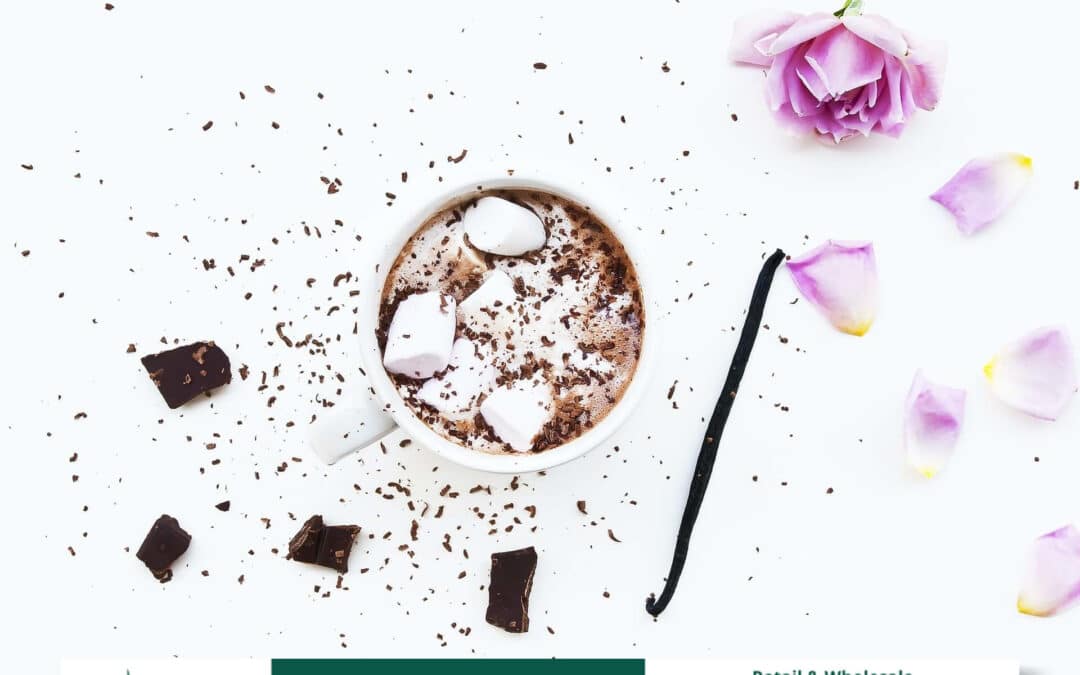
Vanilla bean flavoring refers to the rich, aromatic taste derived from the vanilla bean. Vanilla beans are the seed pods of the vanilla orchid, a tropical climbing vine that produces the distinctive vanilla flavor we all know and love. People commonly use it in cooking, baking, and flavoring a wide variety of products.
Vanilla bean flavoring is quite complex, with notes that are smooth, sweet, floral, and sometimes even have a hint of wood or spice. We often encounter vanilla bean flavor in grilled meats, restaurant desserts, ice cream at a cafe, cocktails at a friend’s house, and many other culinary applications, adding a distinctive and delicious taste.
Contents
- 1 Versatile Vanilla Bean Flavoring
- 2 Fun Ways to Enjoy Vanilla Bean Flavoring
- 3 Natural Vanilla Bean Flavoring
- 4 Vanilla Bean Flavoring: Types and Uses Comparison
- 5 Where to Get Premium Vanilla Beans
- 6 Frequently Asked Questions About Vanilla Bean Flavoring
- 6.1 What is vanilla bean flavoring made from?
- 6.2 What is the difference between vanilla extract and vanilla bean flavoring?
- 6.3 How do you use vanilla beans in cooking?
- 6.4 What does Tahitian vanilla taste like compared to regular vanilla?
- 6.5 Can you use vanilla bean pods after removing the seeds?
- 6.6 How long does it take to grow vanilla beans?
Versatile Vanilla Bean Flavoring
People often think of vanilla bean flavoring as a classic, versatile taste. One natural ingredient can enhance the overall flavor of many dishes. Most chefs, cooks, and even perfumers or cosmeticians use vanilla beans by splitting them lengthwise.
They would use a small paring knife to do this, unless for mass production needs in a factory. Then, they would proceed to scrape out the tiny black seeds before using them for various purposes, especially to add flavor to food or products.
You can even use the outer pod of the vanilla bean to add flavor to dishes after you have used the seeds. The use of vanilla beans comes down to personal preference and the type of food you want to flavor with vanilla. There are many ways to enjoy vanilla bean flavoring, especially the special Tahitian vanilla variety.
Fun Ways to Enjoy Vanilla Bean Flavoring
You can enjoy vanilla bean flavoring in a variety of ways. Always remember to adjust it to your personal preferences and the type of dish you are preparing. Here are some methods to help you enjoy the flavor of vanilla beans to the fullest.
Using Vanilla Beans Directly
Cut the vanilla bean lengthwise and scrape out the small, black, caviar-like seeds. For a rich vanilla flavor, add the seeds to cake batters, creams, or ice cream.
You can also infuse the beans before using them in a recipe. Briefly soak the beans in hot milk or cream to soften and release the vanilla flavor before adding it to your mixture.
Vanilla Bean Extract
Making your own vanilla extract at home is easier than most people think. Split a few vanilla beans lengthwise, place them in a clean glass jar, and cover them with at least 35% alcohol, such as vodka or rum. Let the mixture sit for a minimum of eight weeks, shaking the jar occasionally. The alcohol draws out the essential oils and flavor compounds, giving you a pure, rich extract.
If you are a vanilla fan seeking the real deal, look no further. Vanilla is more than just a flavor. It is a spice with deep cultural roots that takes you on a fascinating journey, enhancing your culinary experience and captivating your senses. From its origins in Mesoamerica to its widespread uses in baking today, vanilla continues to be an essential ingredient that delights the taste buds.
Vanilla Bean Pods
To add flavor to liquids such as milk, cream, or batters, you can use spent vanilla bean pods. Simply place the pods in the liquid for a while, then strain it before using the liquid in your recipe.
You can also add vanilla pods to granulated sugar to create vanilla sugar with a delightful aroma. While the pod itself does not provide strong visual flavor markers, the vanilla essence will slowly release into the sugar, making it perfect for use in tea or coffee.
Delicious Desserts
Many people look forward to delicious, elegant desserts, and vanilla bean flavoring is often the key reason people enjoy yogurt, pudding, panna cotta, and many other desserts. You can use Tahitian vanilla beans to make extract or vanilla bean paste for your desserts, giving them a distinctly floral and aromatic character.
Natural Vanilla Bean Flavoring
The seeds of certain orchids in the Vanilla genus are the source of true vanilla. While there are over a hundred varieties of vanilla orchids, only three species produce the special seed pods used to make vanilla extract: Vanilla planifolia, Vanilla tahitensis, and Vanilla pompona. Vanilla beans are the common name for these orchid seed pods.
According to Britannica, vanilla had already been used to flavor chocolate beverages by the Aztecs long before the Spanish brought it to Europe in the 16th century, making it one of the world’s oldest and most beloved flavoring spices.
Eight to nine months after the flower receives pollination, the vanilla pods are fully mature. Farmers must pick the pods when they still show a slight yellow-green tip, as the pods do not yet carry their full aroma at this stage. The characteristic vanilla scent only develops during the curing process that follows the harvest.
So, the next time you enjoy a delicious cake, cookie, or other baked good, take a moment to appreciate the gift of vanilla bean flavoring and let its power transport you to a realm of pure bliss.
Vanilla Bean Flavoring: Types and Uses Comparison
| Vanilla Type | Flavor Profile | Best Used In | How to Use |
|---|---|---|---|
| Vanilla Planifolia | Deep, creamy, chocolatey | Cakes, cookies, ice cream | Seeds, extract, paste |
| Vanilla Tahitensis (Tahitian) | Floral, fruity, woodsy | Custards, panna cotta, cocktails | Extract, seeds, infusion |
| Vanilla Pompona | Sweet, mild | Perfumery, specialty desserts | Extract, pods |
| Vanilla Bean Pods (spent) | Subtle, aromatic | Flavored sugar, infused milk | Steep in liquid or sugar |
| Vanilla Bean Extract | Concentrated, rich | Baking, beverages, sauces | Add drops to recipes |
Where to Get Premium Vanilla Beans
The quality of your vanilla bean flavoring depends heavily on the source of your vanilla beans. Indonesia is one of the world’s largest producers of vanilla beans, supplying both planifolia and Tahitian vanilla to markets around the globe. Origin Harvest sources its beans directly from farmers in Indonesia and Papua New Guinea, offering luxury, gourmet, and extract grade options to suit different culinary needs.
If you are looking for consistent quality with strong vanillin content and a rich, oily appearance, working with a trusted and direct supplier is always the better choice. Learn more about the different grades of vanilla beans to find the right option for your recipes or production needs.
Frequently Asked Questions About Vanilla Bean Flavoring
What is vanilla bean flavoring made from?
Vanilla bean flavoring is made from the cured seed pods of vanilla orchids, primarily Vanilla planifolia and Vanilla tahitensis. The pods contain tiny black seeds and a fragrant, oily substance rich in vanillin, the main compound responsible for the classic vanilla scent and taste. Natural vanilla extract is produced by soaking split vanilla pods in alcohol, which draws out the flavor compounds over several weeks.
What is the difference between vanilla extract and vanilla bean flavoring?
Vanilla extract is made directly from real vanilla pods soaked in alcohol, giving it a rich and complex flavor. Vanilla bean flavoring or imitation vanilla, on the other hand, is typically made from synthetically produced vanillin, which mimics the primary compound found in real vanilla but lacks the depth and complexity of over 200 natural flavor components found in true vanilla extract. For baking where vanilla is a prominent flavor, real vanilla bean extract or paste will always deliver better results.
How do you use vanilla beans in cooking?
The most common way is to split the bean lengthwise with a knife and scrape out the tiny black seeds, then add those seeds directly to batters, creams, custards, or ice cream bases. You can also steep the whole split pod in warm milk or cream to infuse the liquid before using it in a recipe. Spent pods that have already had their seeds removed are still useful — place them in a jar of sugar to make vanilla sugar, or add them to a bottle of alcohol to create a basic extract over time.
What does Tahitian vanilla taste like compared to regular vanilla?
Tahitian vanilla (Vanilla tahitensis) tends to have a lighter, more floral, and somewhat fruity flavor profile compared to the deeper, creamier, and more chocolatey notes of standard Madagascar or Indonesian vanilla (Vanilla planifolia). Tahitian vanilla works especially well in delicate desserts like panna cotta, custards, and cocktails where you want the vanilla note to be more fragrant than bold. Planifolia is generally preferred for robust baked goods like cakes and cookies.
Can you use vanilla bean pods after removing the seeds?
Yes, absolutely. Spent vanilla pods still contain residual flavor and aroma. You can place them in a container of granulated sugar to create fragrant vanilla sugar over the course of a week or two. Alternatively, you can steep them in warm milk, cream, or a neutral spirit to extract additional flavor. Some people also dry spent pods completely and grind them into a powder to use as a subtle vanilla seasoning.
How long does it take to grow vanilla beans?
Vanilla is one of the most time-intensive spices to produce. After the vanilla vine is pollinated, the green pods take approximately six to nine months to fully mature on the vine. Once harvested, the curing and drying process takes an additional four to five months before the pods develop their signature dark color, oily texture, and rich aroma. This lengthy production process is one of the key reasons why real vanilla is among the most expensive spices in the world, second only to saffron.
Last reviewed and updated by the Origin Harvest Editorial Team on April 15, 2025.